For many people, joining an orienteering club is the moment when an occasional event participant becomes part of the community. Helping new members feel confident, informed and included at this stage can make a huge difference to long-term retention and increase the likelihood of adoption of the sport
One approach being used by several clubs is newcomer or welcome packs — a collection of information and resources given to new members to help them understand how the club and the sport works and how to get the most from it. These might be physical packs, or a collection of information sent digitally, but the most success comes from personal follow-up.
This article aims to share examples of what clubs are already doing to highlight useful ideas that other clubs may decide to adopt, and also identify areas where support or shared resources from SOA could help. Please get in touch if you have any ideas for resources that we may be able to help with.
Thanks to those clubs that have provided information on their current practices, detailed below.
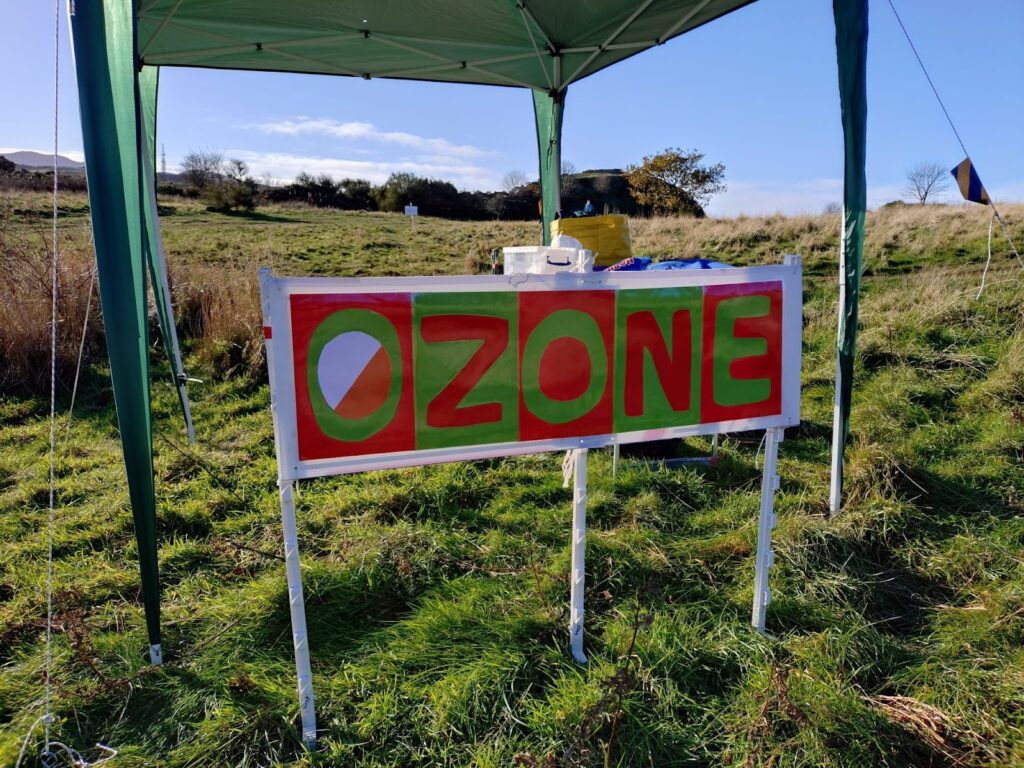
Edinburgh Southern Orienteering Club (ESOC) has been trialling a new initiative, Ozone, aimed at supporting young juniors at local events through fun, informal activities that build confidence, skills and enables them to meet other children at events.
Although still in its pilot phase, the Ozone has so far provided a strong example of best practice for engaging younger participants and their families, while supporting progression into independent orienteering for juniors that currently participate with their parents.
In recent years, orienteering clubs across Scotland have been exploring creative ways to raise awareness of the sport, attract new members, and connect with wider communities. One initiative that’s gaining some traction is the parkrun takeover — where orienteering clubs volunteer to fill key roles at a local parkrun event and host an orienteering taster activity alongside the classic 5k run.
These takeovers offer a unique opportunity to introduce orienteering to an audience that already shares a love for running and the outdoors. By engaging directly with local runners in a friendly, accessible environment, clubs can demystify orienteering and highlight how well it complements existing fitness and adventure interests.
This week marks Neurodiversity Awareness Week, an important time to raise awareness and celebrate the unique strengths and skills of neurodiverse individuals. As the world begins to better understand the variety of neurological conditions and cognitive styles, it’s essential to foster an inclusive environment that allows people of all neurotypes to thrive. This week offers an opportunity to explore the ways in which orienteering can be both supportive and empowering for neurodiverse participants.
This article will discuss how orienteering provides opportunities and challenges that may appeal to those in the neurodiverse community. It will also explore the history and purpose of Neurodiversity Awareness Week, highlight the inherent advantages that orienteering offers to neurodiverse participants, and share practical ideas and suggestions on how orienteering clubs can make events more accessible and inclusive for everyone.