
Newcomer Packs – Sharing ideas and assessing gaps
For many people, joining an orienteering club is the moment when an occasional event participant becomes part of the community. Helping new members feel confident, informed and included at this stage can make a huge difference to long-term retention and increase the likelihood of adoption of the sport
One approach being used by several clubs is newcomer or welcome packs — a collection of information and resources given to new members to help them understand how the club and the sport works and how to get the most from it. These might be physical packs, or a collection of information sent digitally, but the most success comes from personal follow-up.
This article aims to share examples of what clubs are already doing to highlight useful ideas that other clubs may decide to adopt, and also identify areas where support or shared resources from SOA could help. Please get in touch if you have any ideas for resources that we may be able to help with.
Thanks to those clubs that have provided information on their current practices, detailed below.
What do clubs currently do?
East Lothian Orienteers (with thanks to Sheila Strain)
East Lothian Orienteers have previously distributed the physical welcome packs in cloth bags provided by SOA, although their approach has gradually shifted towards digital information.
Rather than preparing packs in advance, they now often email information to new members. This partly reflects the practical challenge of meeting new members in person soon after they join.
The contents of the information shared vary depending on the member. For example, it may depend on:
- whether they are already attending events regularly
- whether they are new to the sport
- what information they may already have received at events
However, a few elements are consistently included:
- A welcome letter from the club
- Guidance for juniors, including confirmation that they have a Junior Record Card
- Information about the junior step system, encouraging progression rather than jumping straight to more difficult courses
In the past, the club also produced membership cards, although these are no longer routinely issued.

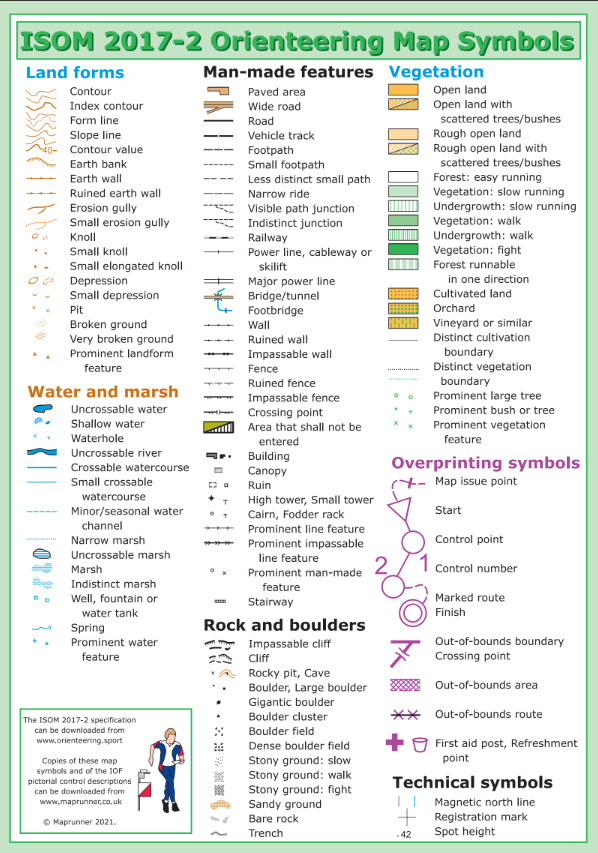
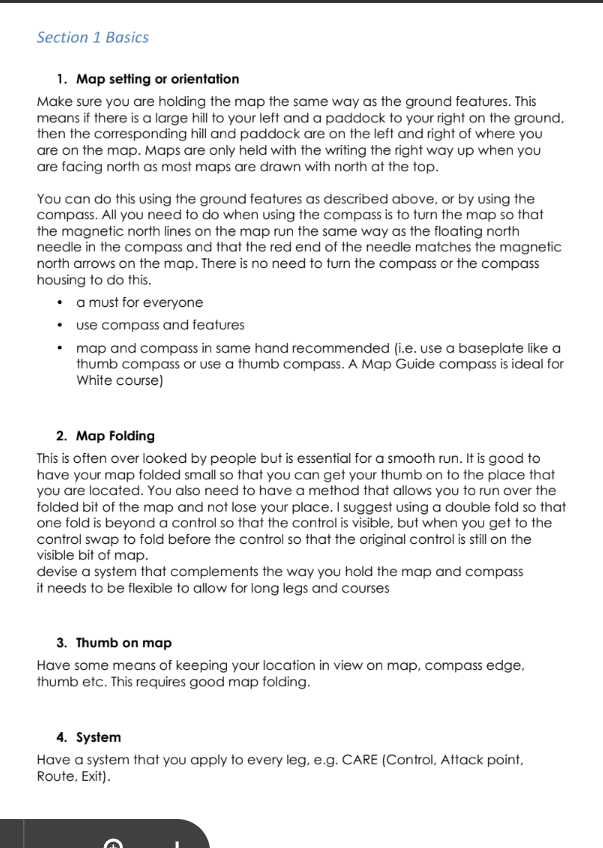
One of the key reflections from the club is that there may be significant value in sharing materials between clubs, allowing ideas and templates to be reused and improved collectively.
Interlopers Orienteering Club (with thanks to Katherine Ivory and Mairi Eades)
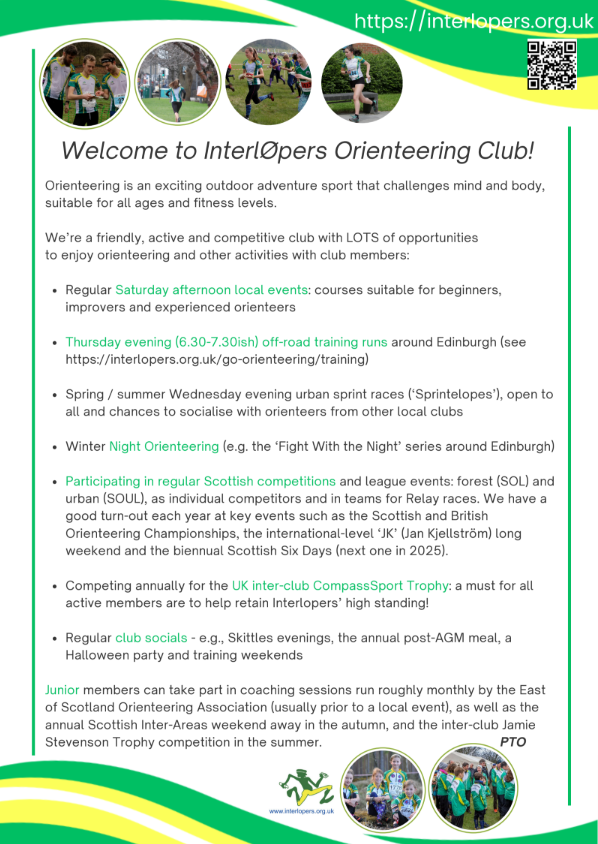
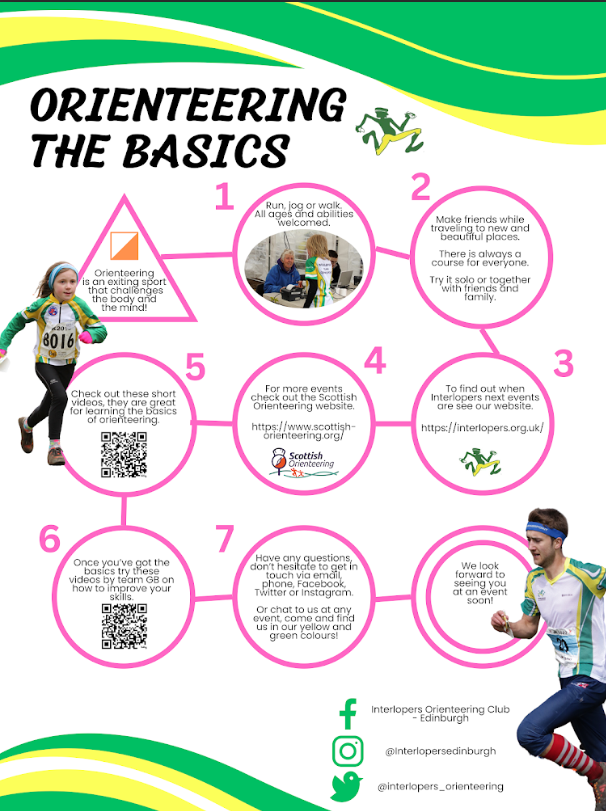
Interlopers Orienteering Club still use some physical materials, including some of the remaining cloth bags originally supplied by SOA.
These typically contain:
- a welcome letter
- leaflets about the sport
- example maps
- sample control descriptions
However, the club notes that physical materials alone are not the most important factor in helping new members settle in. Instead, the greatest impact often comes from personal follow-up — encouraging newcomers to attend events, answering questions and helping them feel part of the club community.
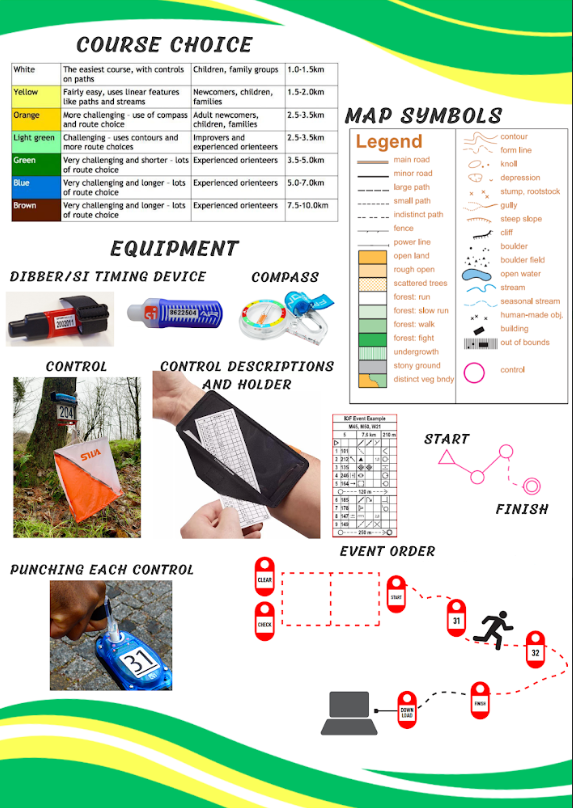
Previously, the club also invited new members to submit a short profile for the club newsletter, helping introduce them to other members. Although this practice has paused for now, it highlights another potential way to strengthen connections within the club.
Forth Valley Orienteers (with thanks to Mairi Eades, CDO)
Forth Valley Orienteers are currently developing their newcomer materials.
While they do not yet have a formal welcome pack, they have created a range of posters and beginner information materials used at beginner events and shared digitally afterwards.
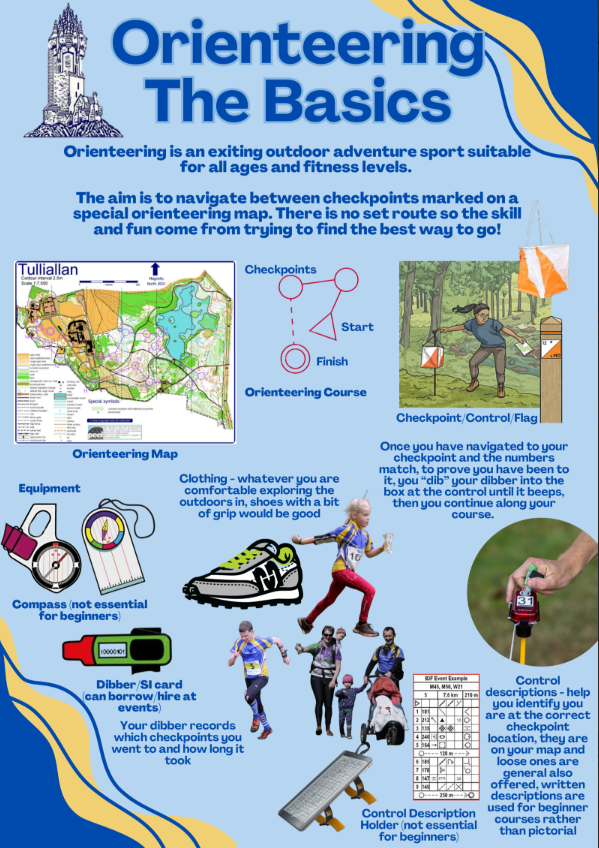
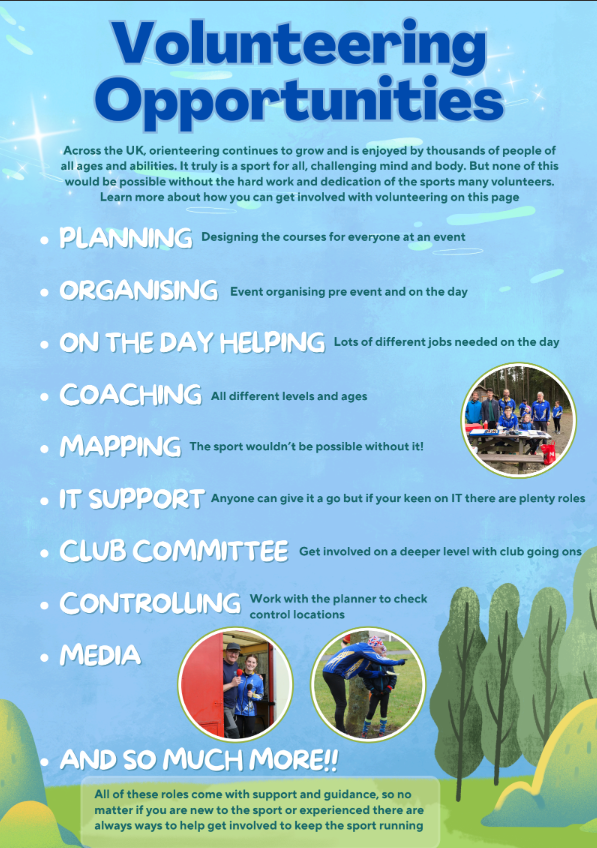
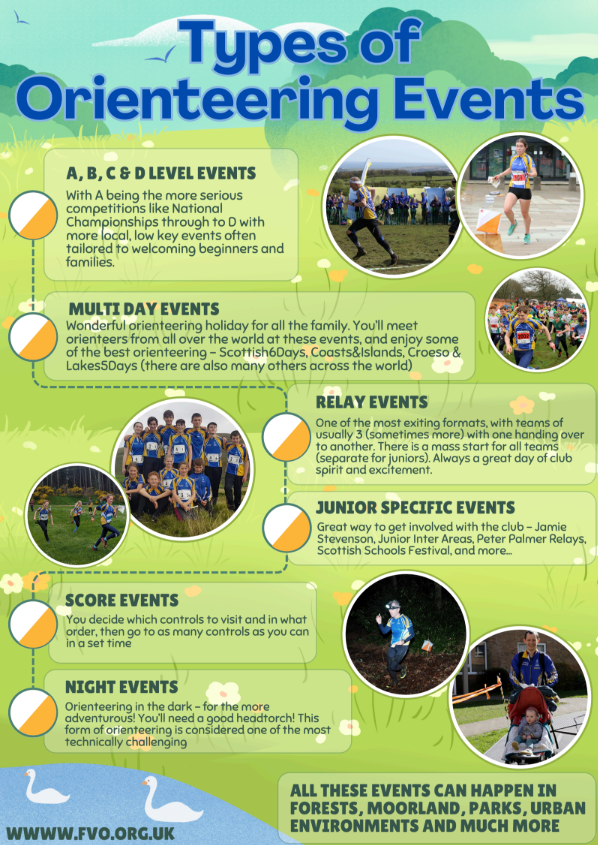
The club is aiming to develop these further into a more comprehensive booklet, potentially available both physically and digitally.
What can we learn from these examples?
Although approaches vary, several themes appear across clubs:
1. Digital information is becoming more common
Emailing information is often easier than arranging to pass on a physical pack, particularly when new members may attend events irregularly at first.
Digital packs also allow materials to be updated easily.
However, physical items — particularly maps or club-branded materials — can still provide a memorable welcome.
2. Personal follow-up matters most
While information packs are helpful, clubs consistently emphasise that direct contact with new members has the biggest impact.
This might include:
- checking in after their first few events
- helping them choose suitable courses
- introducing them to other club members
- encouraging them to attend training or social activities
3. Content often depends on the member
Clubs frequently tailor what they send depending on whether someone is:
- completely new to orienteering
- already experienced but new to the club
- joining as a junior or as part of a family
This flexibility can help ensure that information is relevant and not overwhelming.
Possible gaps and opportunities
The examples above also highlight some potential gaps where shared resources could help clubs.
For example:
Shared templates
Clubs often create welcome letters, guides and introductory documents independently. Shared templates could save time and ensure consistent messaging.
Beginner information resources
Materials explaining:
- course colours and progression
- how events work
- equipment
- junior development pathways
could potentially be developed centrally and adapted by clubs.
Examples from other clubs
Clubs are keen to see what others are doing. A simple library of example newcomer materials could help spread ideas and best practice.
Summary
SOA are currently revamping the old tri-fold newcomer leaflets, and first versions of these will be ready for distribution to newcomers at the JK. Following that, we will reassess their suitability before distributing to clubs.
If you have any other ideas for resources that could be created centrally by the SOA, or if your club already has something in place that could be shared and adapted by other clubs, then please get in touch with louise@scottish-orienteering.org.