Best Practice: ESOC’s Ozone – Engaging Young Juniors
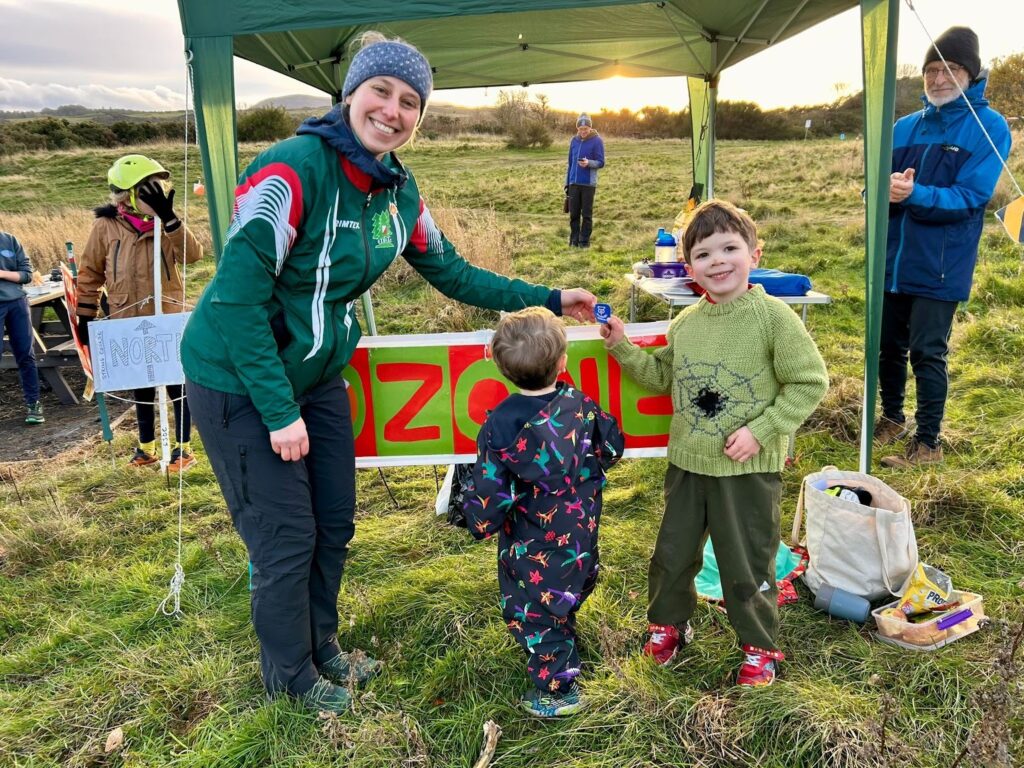
Edinburgh Southern Orienteering Club (ESOC) has been trialling a new initiative, Ozone, aimed at supporting young juniors at local events through fun, informal activities that build confidence, skills and enables them to meet other children at events.
Although still in its pilot phase, the Ozone has so far provided a strong example of best practice for engaging younger participants and their families, while supporting progression into independent orienteering for juniors that currently participate with their parents.
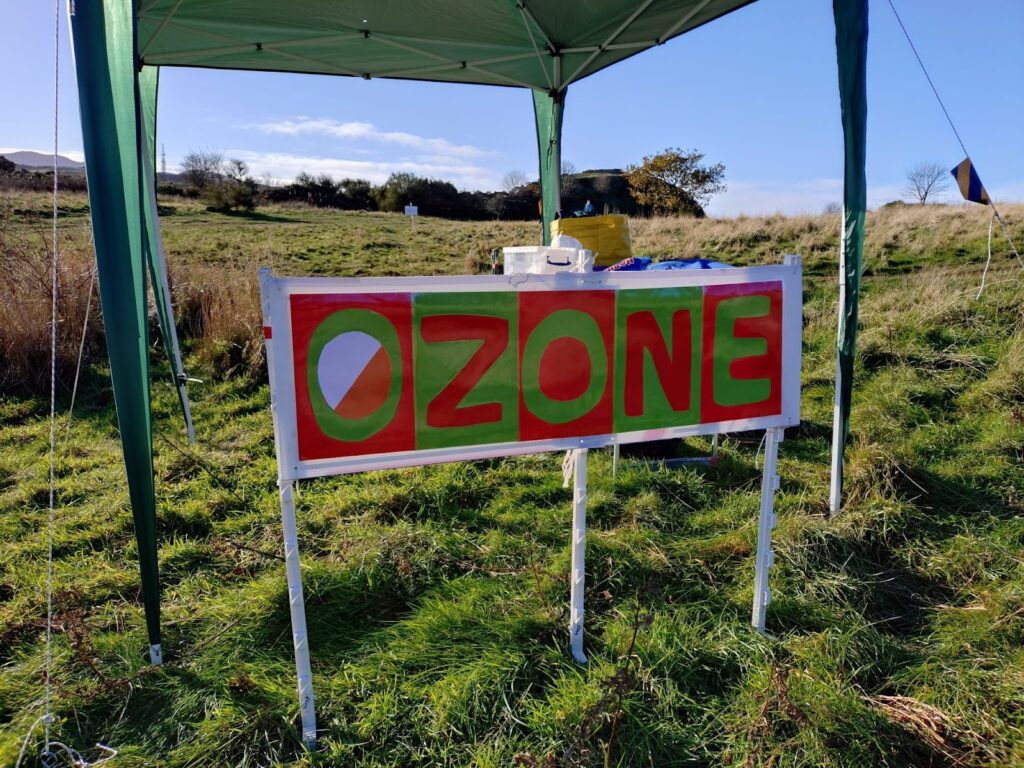
What is Ozone?
Ozone is a drop-in activity space at selected ESOC events, open to all young juniors, not just club members. Its focus is on learning through play: using games, puzzles and creative activities to introduce core orienteering concepts in a relaxed, social environment.
Activities on Offer
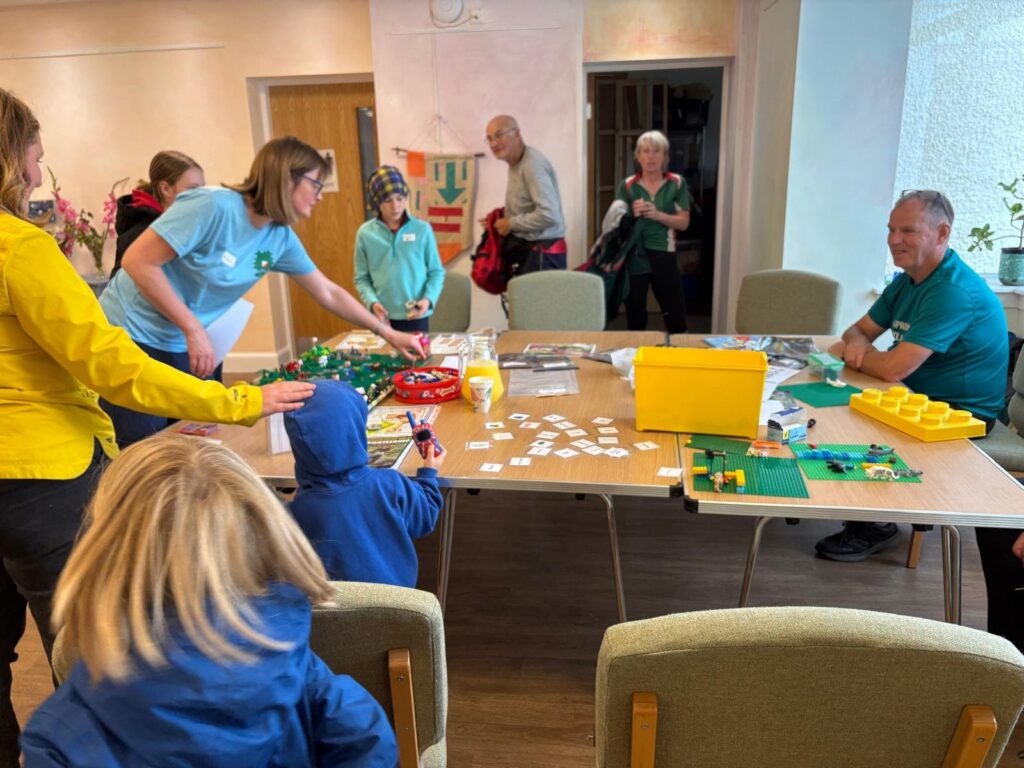
A wide range of fun activities has been used so far, with flexibility for volunteers to choose what they enjoy delivering. These include:
- Cone courses
- Map mazes
- Lego ‘O’ courses
- Toddle courses
- Pacing exercises
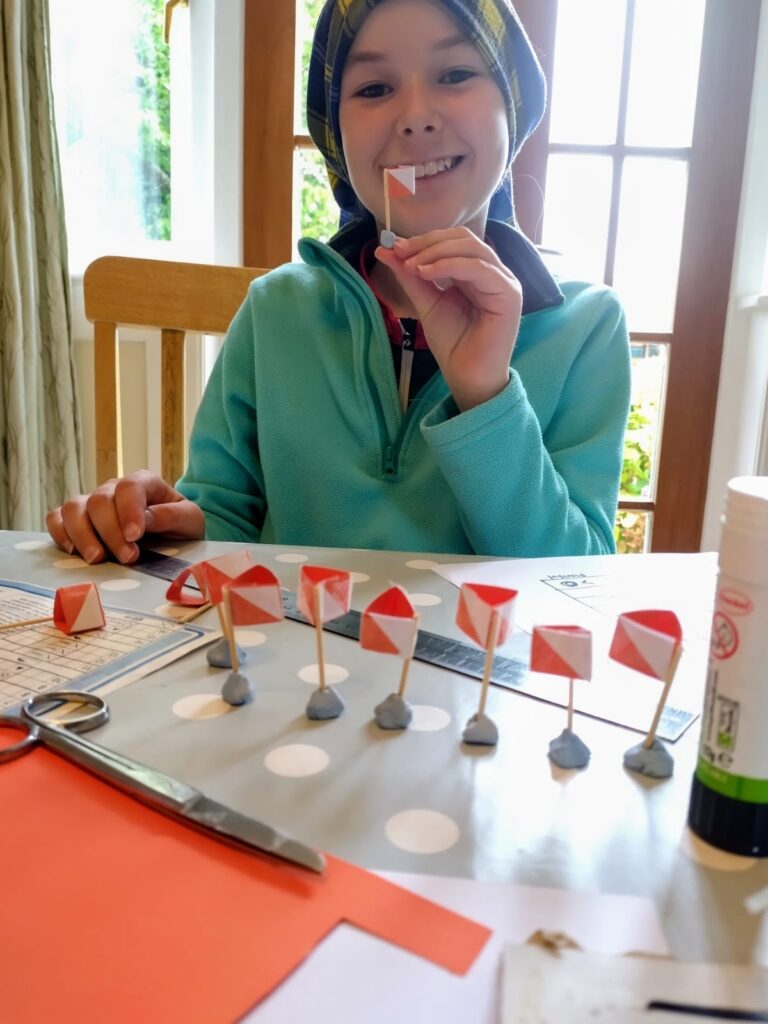
- Plasticine contours
- Paper-based games and puzzles
- Colouring activities
- Word searches
- Spot the difference challenges
The variety allows children of different ages and learning styles to engage at their own level, while repeatedly reinforcing key ideas such as map symbols, direction, distance and terrain.
Key Aims
The primary aim of Ozone is to support young juniors towards completing a course on their own. By breaking skills down into small, manageable elements, children gain confidence without pressure or fear of getting it wrong.
A secondary – but important – aim is the social aspect. The Ozone is helping children meet other young orienteers at events, helping them see orienteering as a shared, enjoyable experience and encourages them to come back to see their new friends.
There is also a wider family benefit. As children become confident to take part independently, parents are more able to run their own courses, and are more likely to be encouraged to join in or become club members themselves.
Progression Pathway
Ozone is designed as an early-stage introduction, not an endpoint. For ESOC members, the initiative links directly into TD1/TD2 pre-event coaching, providing a clear and supportive progression route.
This continuity ensures that skills developed through games and activities are reinforced and applied on real courses, helping juniors move confidently into formal orienteering.
Practical Considerations
As a trial initiative, Ozone is deliberately flexible:
- It doesn’t run at every event, depending on location and volunteer availability.
- Sessions require a PVG-checked adult, which can be a limiting factor.
- Activities vary depending on what the volunteer leading the session is comfortable delivering.
- The informal, low-pressure nature keeps organisation simple and costs minimal.
This adaptability has been key to making the initiative sustainable.
Why It Works
Ozone demonstrates several elements of best practice in junior development:
- Low barriers to entry – open to all children, not just members
- Learning through play, rather than formal instruction
- Clear progression, linking activities to independent courses
- Social connection, helping children and families feel part of the club
- Volunteer-friendly, allowing flexibility in delivery
By meeting children where they are, Ozone creates positive early experiences that can shape long-term involvement in the sport.
Looking Ahead
While still being evaluated, ESOC’s Ozone initiative offers a replicable model for other clubs looking to strengthen junior engagement at local events. Its emphasis on fun, confidence-building and progression aligns closely with wider participation goals across Scottish Orienteering. Well done ESOC!
Photos courtesy of: Jayne MacGregor, Rachel Imrie and Catriona Gillespie.