
Urban Orienteering and Avoiding Collisions
SOA Safety Director, Tim O’Donoghue, reflects on managing risks during urban orienteering, and suggests some steps for individual orienteers and clubs to take, to reduce risks from collisions.
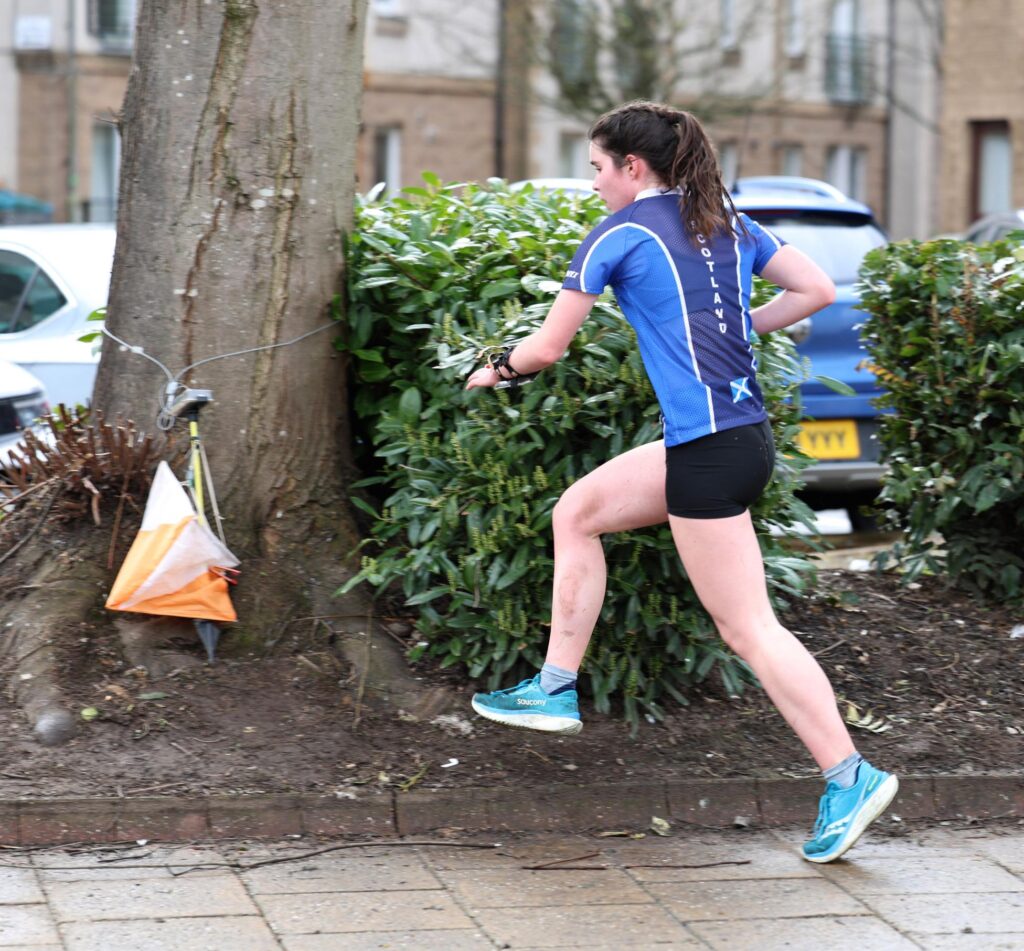
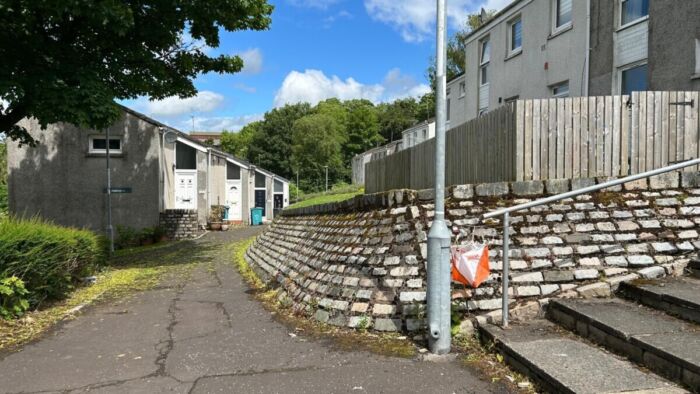
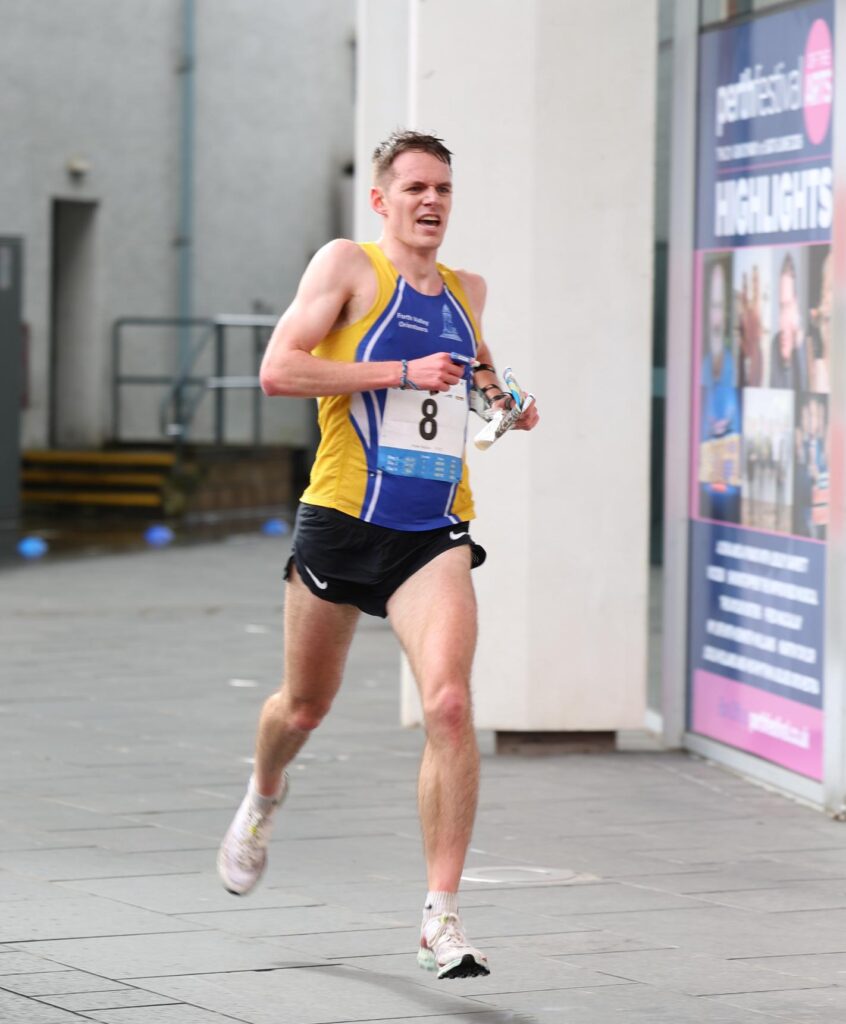
Urban events in a variety of formats have become an established part of orienteering over the last 15 or so years, to the extent that in alternate years the World Championships focus on sprint style events, normally in an urban environment. The level of technical difficulty is frequently lower than in traditional orienteering terrain and the emphasis is on speed – speed of decision making and running speed.
But urban events also come with increased opportunities for and likelihood of collisions between athletes and others, whether members of the public; other athletes; moving vehicles or stationary objects. This article looks at where and how collisions might occur and suggests steps to take to reduce the probability and severity of collisions.
1. Athlete collisions with members of the public
Members of the public are unlikely to be aware of an event and of routes orienteers in urban events choose to take – they are likely to be moving unpredictably, more slowly and not be focussed on competitors . Given that their movements may be unpredictable, competitors need to give them a sufficiently wide berth when passing so that they can react to any sudden movements.
If a collision, even a glancing one, does occur then the competitor must stop, check on the person(s) and assist if appropriate – regardless of the impact on their race time.
When there is a crowd of people in the way the competitor should adjust their speed to ensure collisions are avoided. Shouting at people to get out of the way is not the solution.
When approaching someone from behind in a quiet area there is the potential to frighten/surprise them by suddenly being close by and moving at speed. Options around alerting them are, before you reach them, stating ‘Runner coming through’ or similar, or even just a discreet cough. Naturally the alert needs to be sufficiently loud to be heard but not so loud that it sounds aggressive. Bear in mind that the person may have earphones in use, or have a hearing impairment, and may not hear your words/noise. Give as wide a berth as possible to pedestrians while overtaking them.
2. Collisions Between Athletes
Course planners should avoid deliberate counterflows of competitors when they set up courses – and especially so when the route is through a narrow area, e.g. narrow blind alleys. Many orienteers look at their maps/plan the next leg while running in the 40m into and out from a control – they are unlikely to see the person coming the other way. Athletes should also identify where on their routes will be the collision free spaces where they can look at the map to plan route choices
Again, after a collision the top priority is care for the people who have collided.
Counterflows should also be avoided around blind corners – if counterflows are unavoidable then having a marshal located at the corner should be considered.
3. Collisions with Moving Vehicles
This aspect of urban orienteering is normally dealt with well, i.e., for busy roads use crossing points/time outs at pedestrian crossings. Junior courses are not allowed to have interactions with busy roads. For minor roads crossing is left to the judgement of competitors.
Locating the start a reasonable distance (say at least 100 metres) away from a crossing point of a busy road should be considered by planners. Aside from keeping people waiting to start away from the road, it also enables competitors who have just started a little time to settle before the temptation of a road crossing arises.
The sudden appearance or unpredictable movements of cars should be considered during the planning phase and precautions (mainly creating some out of bounds areas) introduced if necessary. Car movements in car parks are less predictable than when cars are on roads so channelling runners around car park perimeters is advised. Entrances and exits to and from underground or multi-storey car parks are particularly hazardous to runners and the inlet and outlet sections of road across the pavements are prime candidates for being marked as out of bounds. Competitors should also be informed of where these areas are and why segments of pavement are deemed out of bounds.
4. Collisions with Stationary Objects
The issue here is collisions with stationary objects while the competitor is reading their map. Particular attention should be paid to the areas around controls (where the focus on the map while moving is most likely) and identified hazards taped or mentioned in event details.
For any queries or suggestions around safety management and orienteering, contact Tim via safety@scottish-orienteering.org.