
Orienteering: A Path to Better Mental Health
This Mental Health Awareness Week, we’re highlighting the powerful impact of orienteering on mental well-being — backed by research and lived experience alike.
At Scottish Orienteering, we believe the benefits of our sport extend far beyond the finish line. While orienteering is well known for its physical and navigational challenges, a growing body of research suggests it may also offer a significant boost to mental health.

A recent study from McMaster University in Canada — Finding a new way to train the brain: Orienteering — adds compelling evidence to this idea. Researchers found that navigating complex environments using maps and compasses activates parts of the brain involved in memory, decision-making, and spatial awareness. In fact, these cognitive benefits are similar to those gained from brain training games, but with the added value of physical exercise and outdoor exposure.
Why Orienteering Is Good for Your Mental Health:
- Boosts Brain Function:
The McMaster study suggests that regular participation in orienteering can help keep your brain sharp, especially as you age. The combination of physical activity and real-world navigation engages the hippocampus — a region of the brain crucial for memory and mental resilience. - Reduces Stress:
Orienteering takes place in beautiful, natural settings. Time spent outdoors has been shown to lower levels of cortisol (the stress hormone) and improve mood. The sense of immersion in nature, combined with purposeful movement, creates a mindfulness effect that helps reduce anxiety. - Encourages Social Connection:
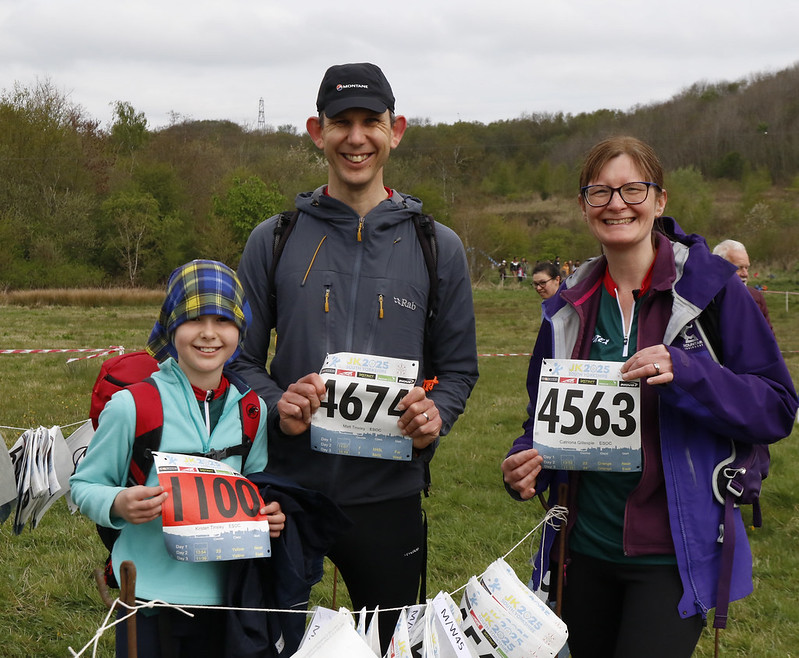
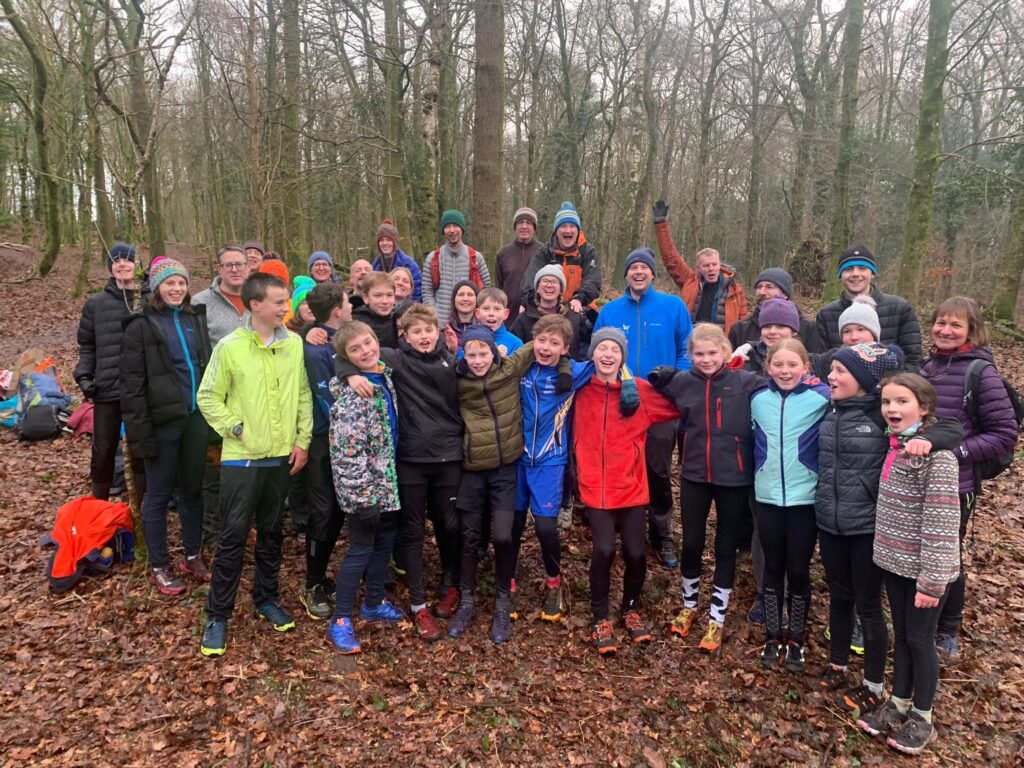
Whether you’re competing or casually navigating through local terrain, orienteering fosters community. Belonging to a club or participating in events can reduce feelings of isolation, which is a key factor in maintaining positive mental health. - Builds Confidence and Resilience:
Orienteering challenges you to problem-solve on the go. Every successful decision builds confidence, and every mistake is a chance to learn. That process of overcoming challenges is a valuable mental workout — promoting adaptability and self-belief.
Mental Health Awareness Week is the perfect time to take a step — or a run — toward better well-being.
Whether you’re new to orienteering or a long-time enthusiast, take a moment this week to appreciate how the sport supports not only physical fitness but mental health too. If you’re feeling inspired, why not bring a friend along for your next event? A single experience in the outdoors, map in hand, might be exactly what they need.