
Permanent Orienteering Courses: What Came out of September’s Community Conversation
Our September Community Conversation had a theme of using Permanent Orienteering Courses (‘POCs’) to encourage and widen participation, and saw good cross-club discussion with members on experience and ideas. POCs have loads of potential as means of offering easy taster courses, quick-to-set-up training courses for club sessions), and self-serve ways for individuals to practice skills and progress. What can help clubs make best use of them to support orienteering development work?
Setting Up POCs
Quite a few clubs have recent experience of setting up or reinvigorating their POCs (MOR, MAROC, GRAMP, INT, FVO and ESOC) and shared insights and suggestions about how best to go about things.
Think about users: a good starting point is the intended users and what would make a POC attractive to them. Venue choice is important, whether for club members or for newcomers: somewhere appealing in its own right (accessible, enjoyable surroundings, facilities such as toilets, café, playpark etc). Then think about good start points for courses, interesting or fun features to visit as controls etc.
Keep installation as simple as possible: rather than installing wooden market posts, could you use existing fence posts or other features for markers? This can reduce costs and also risks, from vandalism or falling into disrepair.
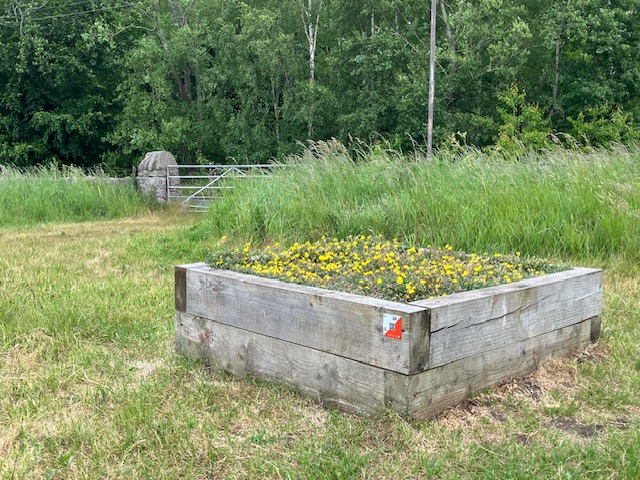
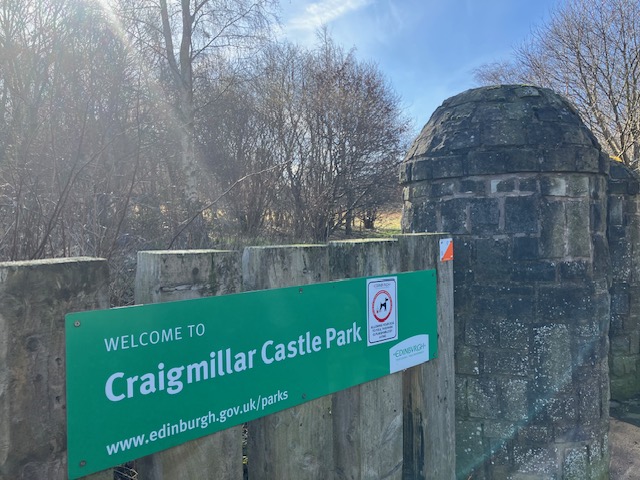
Working with Landowners and Other Partners: quite a few clubs have worked with large landowning bodies such as the National Trust for Scotland (NTS) and Forestry Land Scotland (FLS). These can be helpful for both set-up and for holding maps in their visitor centres (e.g., at Crathes, Brodie Castle). FLS are preparing some guidance currently on POCs which SOA will circulate to clubs when available. Heritage Environment Scotland was very supportive of the POC improvement work by Interlopers at Craigmillar Castle, and held a supply of printed maps at their gift shop.
Build relationships with local conservation organisations: these might do installation or maintenance (especially if actively looking for activities for their volunteers). If they then have some buy-in, they might also help promote POC usage.
Promoting POCs
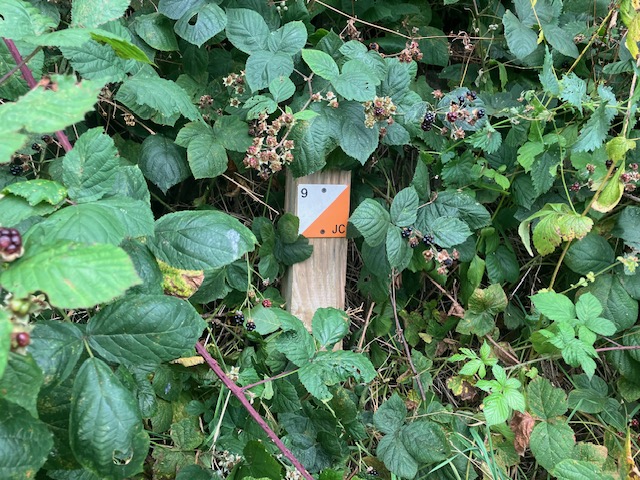
Advertise: use local posters, local print media and social media with regular postings at suitable times (e.g., during the school holidays as something to do). Interlopers placed articles in free local magazines that go through every letterbox. Think about how best to get across to newcomers what permanent orienteering courses are for (e.g., perhaps talk about ‘Orienteering Anytime’), and what sort of experience they’ll enjoy (length, terrain, degree of challenge etc). Include an image of an example marker in materials so people are clear what they’re looking for – don’t assume newcomers will know! Think about having a display board at the venue, and posters with QR codes locally.
Make it easy to get the maps: have .pdfs on your club website. Quite a few clubs have QR codes to their webpages on the POC markers themselves.
Use the Go Orienteering portal Go Orienteering POC link: upload your courses, and signpost newcomers to it, so they can find local POCs and download course maps. As a club, you can get useful user statistics from here (contact BOF for log-ins).
Explain clearly what POCs are! Make sure people know what sort of experience they’ll have, and what they’re looking for with have a photo of an example marker.
Use your POC maps as tools to encourage further orienteering by newcomers: add some text and QR codes to events calendars etc.
Hold events periodically to promote and support interest. Interlopers held taster sessions at community events run by local organisations. BASOC has just created a new POC course in Tomintoul and held a launch event. Use Maprun to create a sense of competition. Reach out to local schools and offer training in the run up to the Scottish Schools’ Orienteering Festival. GRAMP has had interest from SEN schools, e.g., for young people who struggle with traditional group sports.
What Evidence that POCs are Useful for Development work?
Given limited club resources, POCs need to offer a return on investment. We know that interaction and can really help with engaging newcomers, so create opportunities to talk to people (e.g., through specific events using a POC), and make links to actual orienteering events as well as other POCs they could try. You might need to explain that it is actually a competitive sport as well as a fun way of exploring the outdoors recreationally.
Interlopers saw evidence of value from its POC reinvigorations as part of a package of club development work. Joining things up is important. Some success was seen in linking up community events where POC maps were given out with participation in local come-and-try it events held a few weeks later. FVO uses POCs for their juniors’ development work.
Challenges to Address
To be useful for encouraging interest in orienteering, POCs need to provide quality experiences. If a POC has fallen into disrepair, take it off the website or Go Orienteering portal, to avoid disappointment.
It’s important to check regularly for maintenance needs, e.g., cutting back vegetation that might swamp markers, as well as any repair needs, and ensure maps are up-to-date. Identify a specific owner in the club to be responsible and encourage usage. There’s not much point putting up a POC if no one cares about it!
Make friends with any local associations that could potentially help, e.g., Friends-of Parks; if you get them interested, they might help with maintenance as well as promote the POC.
Semi-POCs?
Instead of a full-blown POC, consider experimenting with semi permanent courses, particularly for regular orienteers who want variety and harder controls. These can be put for a specific time period, using kites or simple markers. BASOC do this for their Tuesday=O training, with markers often out for a month and downloadable maps on the BASOC website.
FUTURE COMMUNITY CONVERSATIONS
Many thanks to everyone who participated for their contributions.
The next Community Conversation will be on Monday 5 October, on safeguarding, with further information to follow in due course. Visit the SOA Community Conversations webpage Community Conversation webpage to sign up. A Zoom link will be sent out nearer the time. Contact Nikki Howard (nikki@scottish-orienteering.org) or Katherine Ivory (marketing@scottish-orienteering.org) for any queries or suggestions for future topics.